
🔍 What Does Theranostics Mean?
The word “theranostics” comes from a blend of “therapeutics” and “diagnostics.” It refers to a medical approach that combines targeted diagnostic imaging and treatment using the same molecule or molecular family. The goal? Deliver precise treatment while reducing unnecessary side effects and costs.
For example, if a tumor expresses a certain protein (like PSMA in prostate cancer), doctors can use a radiolabeled molecule to both locate and destroy cancer cells, tailored specifically to that individual.
—
⚙️ How Does Theranostics Work?
Theranostics involves a two-step process:
1. Diagnosis
Patients are first given a radioactive tracer that binds to cancer-specific markers. Using PET or SPECT imaging, doctors identify where the cancer is located and how aggressive it may be.
2. Treatment
The same molecule is then labeled with a therapeutic isotope, such as Lutetium-177 or Actinium-225. This allows targeted radiation therapy—directly to cancer cells, sparing healthy tissue.
Think of it as a guided missile: theranostics ensures the payload (radiation or drug) hits only the intended target.
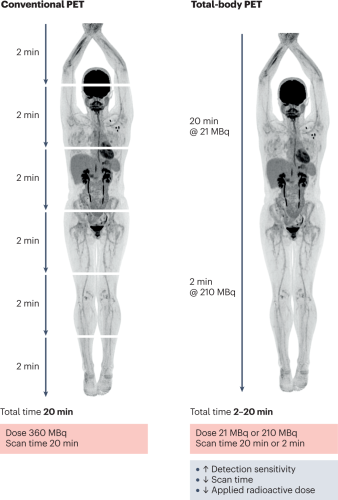
🏥 Real-World Example: PSMA Theranostics for Prostate Cancer
Prostate-Specific Membrane Antigen (PSMA) is a protein found in high levels in prostate cancer cells. Doctors use Gallium-68 labeled PSMA for PET scans to locate tumors. If the scan confirms PSMA expression, the patient becomes eligible for Lutetium-177-PSMA therapy, which directly targets and destroys cancerous tissue with minimal side effects.
This approach has shown dramatic results in advanced prostate cancer, even when traditional therapies fail.
—
📈 Benefits of Theranostics in Cancer Treatment
- 🎯 Precision: Targets cancer at the molecular level
- 💊 Fewer Side Effects: Spares healthy tissue
- 🔁 Real-Time Feedback: Imaging shows whether treatment is working
- 💰 Cost-Efficient: Reduces unnecessary procedures or toxic therapies
- 📉 Better Outcomes: Especially for hard-to-treat or late-stage cancers

🔮 The Future of Theranostics
Theranostics isn’t limited to prostate cancer. Researchers are actively developing theranostic agents for:
- Neuroendocrine tumors (NETs)
- Pancreatic and brain cancers
- Breast and lung cancers
- Infectious diseases
- Cardiovascular conditions (e.g., vulnerable plaque imaging)
Next-gen theranostics also includes nanotheranostics—tiny nanoparticles that can both deliver drugs and track their effects in real time. Artificial intelligence is also beginning to play a role, helping personalize therapy plans based on patient data and scan results.
—
📌 Conclusion
Theranostics is more than just a buzzword—it’s a revolutionary leap toward precision medicine. As the technology advances and access improves, we’re entering a new era of personalized cancer care that is more effective, efficient, and humane.
Want to learn how theranostics could benefit your organization or patients? Get in touch with our team of experts or explore our clinical offerings today.
CTA Options (choose one or combine):
- Contact us for a theranostics consultation
- Download our free whitepaper: “Theranostics in 2025: What You Need to Know”
- Subscribe for updates on cutting-edge oncology solutions